How Do Betting Odds Work? Betting Odds Explained
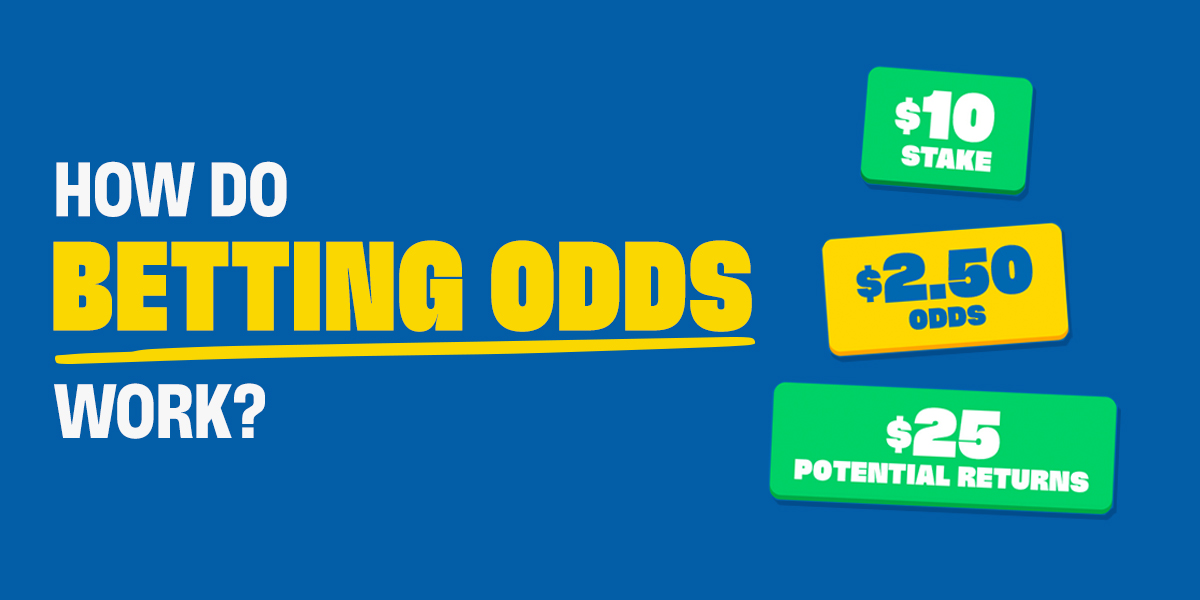
Betting odds represent the probability of an event occurring and determine exactly how much money you will win if your wager is successful. In Australia, bookmakers use decimal odds, which display the total return, including your initial stake, for every $1 wagered. To calculate your potential payout, simply multiply your stake by the decimal odds.
Key Questions Answered in This Betting Odds Guide:
What are betting odds?
Odds are a metric set by bookmakers that reflect the likelihood (probability) of a specific outcome happening, such as a team winning a match or a horse winning a race.
How do you read betting odds in Australia?
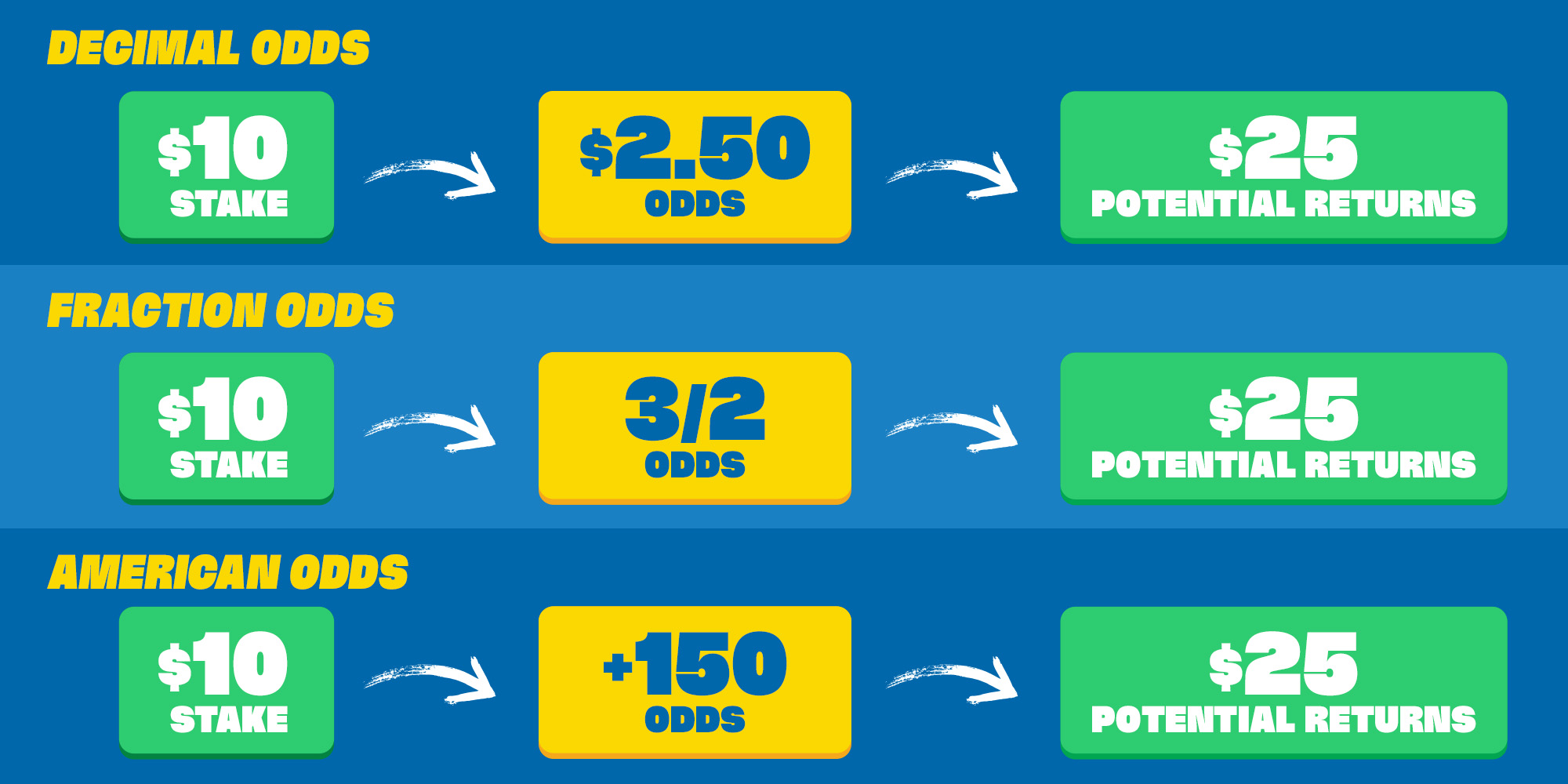
If you’re wondering how do betting odds work in Australia, like most of Europe (they know what’s up) betting odds are presented in what is known as decimal format. Whereas in the UK they use fractional odds and America have a favourites vs underdogs-based system known as moneyline odds. This is not to be confused with line betting, which is something entirely different. Consult our How Does Line Betting Work guide to help alleviate any further confusion on that front.
Meanwhile, back in Australia, where things actually make sense, decimal odds are expressed as simple numbers and correlate to the amount a winning bet would collect on a $1 wager.
For example, say Australia are paying $25 to win the FIFA World Cup
- A $10 stake at $25 = a return of $250
Does it get any more straightforward than that?
With decimal odds, if they are set at 1.50 and you place a $1 bet, a winning bet would return a total of $1.50. That’s your $1 stake plus 50 cents profit.
Therefore, if you bet $1 on Australia paying $1.01 to defeat Scotland at the Rugby League World Cup, you would receive a whopping one cent of profit. So please, try and find a bit more value with your bets.
How do you calculate betting payouts?
Formula: Stake × Decimal Odds = Total Return. (Example: A $10 bet on a team paying $2.50 will return a total of $25.00, which includes a $15.00 profit).
What is the difference between Fixed Odds and Tote Odds?
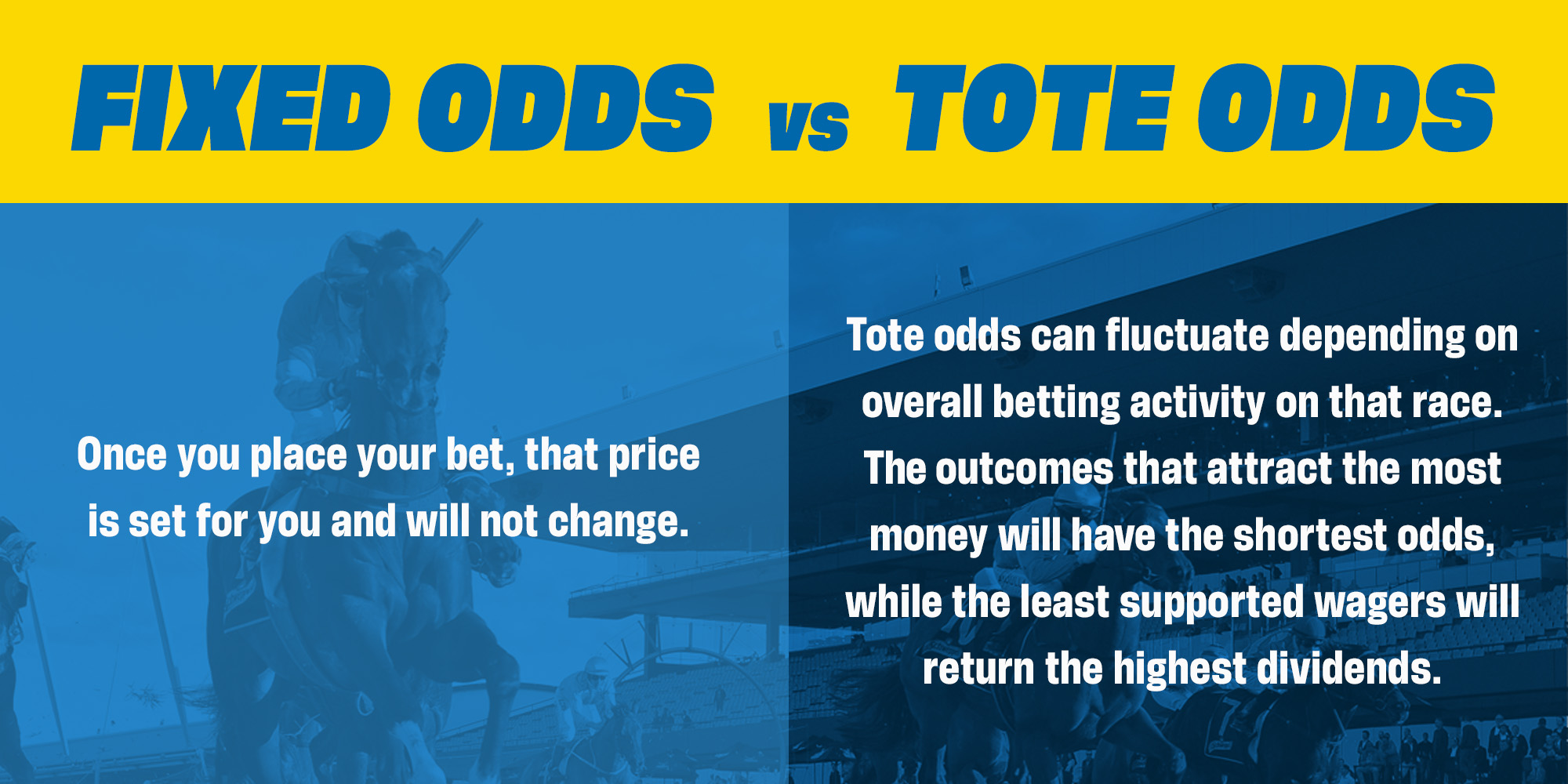
This brings us to fixed odds and why it pays to get in early. Fixed odds mean that when you place your bet, the odds are set and cannot change.
If you place a wager at odds paying $6.00 but in the lead up to the game, they shorten to $4.50, you still get paid out at odds of $6.00 if the wager is successful.
In the world of fixed odds, the early bird truly does get the worm, so if you know something other people don't know about a certain team, player or horse, load up as quickly as you can.
Odds for major sports such as NRL, AFL, tennis, football and cricket are usually always fixed. However, in the racing world (horses and greyhounds), there is an alternative to fixed odds.
This alternative is known as tote odds and is covered more in depth in our What is a Tote Betting guide. Tote odds are the approximate odds that a bookie believes you will receive. This calculation is based on the number of bets placed into the pool or tote up to that point. These odds will continually change based on how much additional money is placed on each outcome. Tote odds can fluctuate dramatically but can also yield huge dividends.
Choosing between fixed or tote odds comes down to the punter. However, in racing there are certain bets such as Trifectas and Quadrellas whose odds are determined exclusively by the tote.
So if you're looking to have a punt on the race that stops the nation then delving into our how to bet on horses guide might be helpful.
After you've completed that head on over to our 2024 Melbourne Cup Tips & Preview piece to get all the insights into which roughie to back for your Melbourne Cup Trifecta's
How do you calculate the implied probability of a bet?
Formula: ($1.00 ÷ Decimal Odds) × 100 = Implied Probability %. (Example: A horse paying $7.50 has a 13.33% implied probability of winning. Smart punters use this formula to find value in the markets).
How do Betting Odds Work for Horse Racing
Just the same as asking yourself how do odds work in sports betting, Horse betting odds do not differ. They work the same for horse racing as all other sports, the only difference is the markets available. But don’t worry we have you covered, if you’re interested in learning more then read our How to Bet on Horses betting guide.
So now instead of saying “that’s pretty odd,” when someone is talking to you about a roughie you should be backing, or if someone asks what are betting odds? Now you know! Good luck.